Unlocking Your Full Potential: The Power of Sports Psychology
- Aaron Quinn
- Jul 17, 2025
- 4 min read

Updated: Sep 15, 2025
Understanding Sports Psychology
Sports psychology is the study of how psychological factors affect performance in sports and exercise. It involves understanding the mental processes that influence an athlete's performance. This field combines psychology and sports science to help athletes overcome mental barriers and improve their game.
Athletes often face pressure, anxiety, and self-doubt. These feelings can hinder performance. By applying sports psychology techniques, athletes can learn to manage these emotions effectively.
Visualization Techniques
One of the most powerful tools in sports psychology is visualization. This technique involves imagining oneself performing a skill or achieving a goal. Visualization can help athletes prepare mentally for competition.
How to Practice Visualization
Find a Quiet Space: Choose a calm environment where you can focus without distractions.
Close Your Eyes: Take deep breaths and relax your body.
Visualize Your Performance: Picture yourself executing a skill perfectly. Imagine every detail, from the movements to the emotions you feel.
Repeat Regularly: Make visualization a part of your training routine. The more you practice, the more effective it becomes.
Example of Visualization in Action
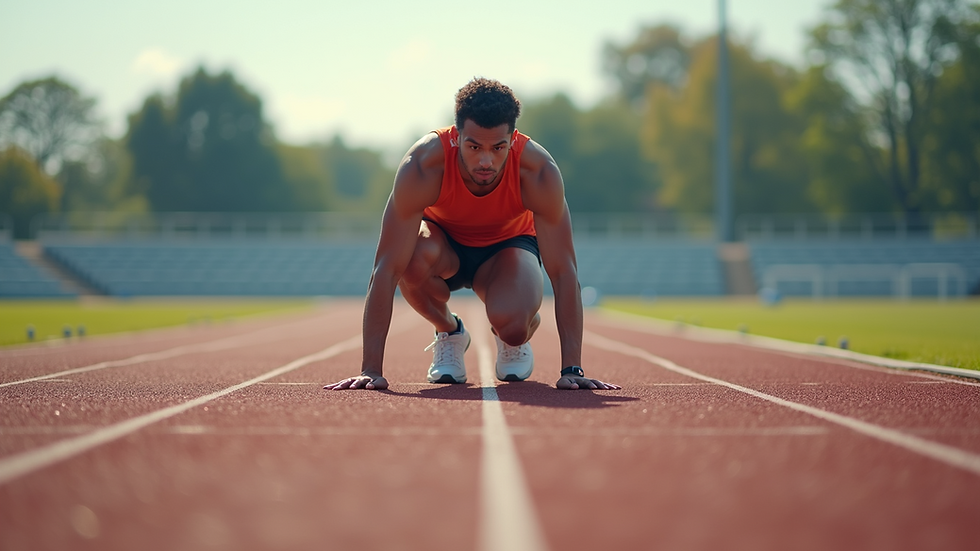
Consider a sprinter preparing for a race. Before the event, they visualize themselves at the starting line, feeling confident and focused. They imagine the sound of the starting gun and the feeling of their legs propelling them forward. This mental rehearsal can help reduce anxiety and improve performance on race day.
Goal Setting: The Roadmap to Success
Setting specific, measurable, achievable, relevant, and time-bound (SMART) goals is crucial for athletes. Goals provide direction and motivation. They help athletes focus their efforts and track their progress.
Steps to Effective Goal Setting
Define Your Goals: Identify what you want to achieve. Be specific about your objectives.
Break It Down: Divide larger goals into smaller, manageable tasks. This makes them less overwhelming.
Set a Timeline: Establish deadlines for each goal. This creates a sense of urgency.
Monitor Progress: Regularly review your goals and adjust them as needed. Celebrate small victories along the way.
Example of Goal Setting
A basketball player may set a goal to improve their free throw percentage. They can break this down into smaller goals, such as practicing free throws for 30 minutes three times a week. By tracking their progress, they can see improvements over time, which boosts motivation.
Mindfulness and Relaxation Techniques
Mindfulness involves being present in the moment and fully engaged in the task at hand. It can help athletes manage stress and anxiety. Relaxation techniques, such as deep breathing and progressive muscle relaxation, can also enhance focus and calm nerves.
How to Practice Mindfulness
Focus on Your Breath: Take slow, deep breaths. Pay attention to the sensation of air entering and leaving your body.
Stay Present: Concentrate on the current moment. If your mind wanders, gently bring it back to your breath.
Practice Regularly: Incorporate mindfulness into your daily routine. Even a few minutes a day can make a difference.
Example of Mindfulness in Sports
A golfer may use mindfulness techniques before taking a shot. By focusing on their breath and the present moment, they can reduce anxiety and improve concentration. This can lead to better performance on the course.
Positive Self-Talk: The Inner Champion
The way athletes talk to themselves can significantly impact their performance. Positive self-talk can boost confidence and motivation, while negative self-talk can lead to self-doubt and anxiety.
How to Cultivate Positive Self-Talk
Identify Negative Thoughts: Pay attention to your inner dialogue. Notice when you are being critical of yourself.
Challenge Negative Thoughts: Replace negative thoughts with positive affirmations. For example, instead of thinking, "I can't do this," say, "I am capable and prepared."
Use Mantras: Create a personal mantra that resonates with you. Repeat it during training and competition to reinforce positive thinking.
Example of Positive Self-Talk
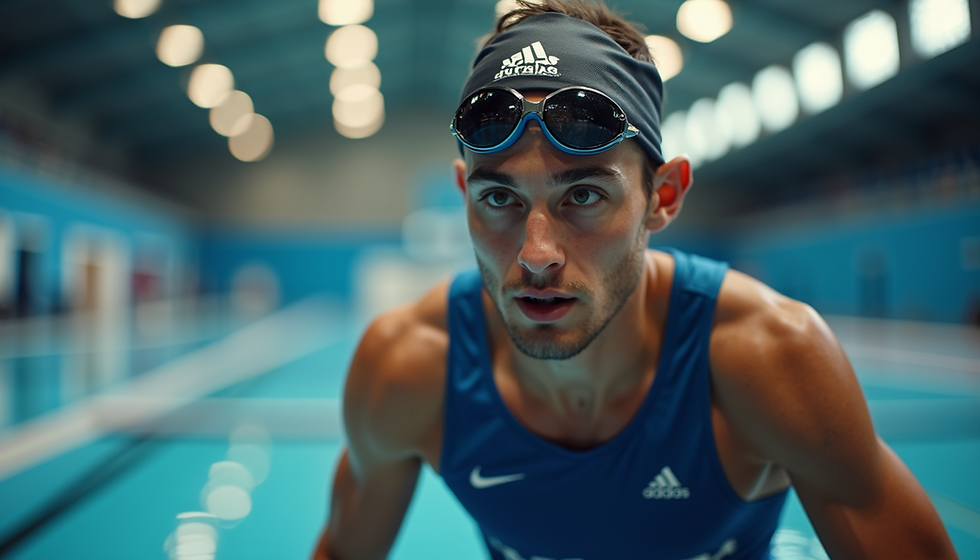
A swimmer preparing for a race might tell themselves, "I have trained hard, and I am ready." This positive affirmation can help build confidence and reduce pre-race jitters.
Building Resilience: The Key to Overcoming Setbacks
Resilience is the ability to bounce back from setbacks. Athletes face challenges, injuries, and losses. Developing resilience can help them cope with these difficulties and maintain a positive outlook.
Strategies for Building Resilience
Embrace Challenges: View obstacles as opportunities for growth. Learn from failures rather than fearing them.
Stay Connected: Build a support network of coaches, teammates, and friends. Sharing experiences can provide encouragement and motivation.
Practice Self-Care: Prioritize physical and mental well-being. Engage in activities that promote relaxation and happiness.
Example of Resilience in Action
A football player who suffers an injury may feel discouraged. By focusing on rehabilitation and setting new goals, they can build resilience. This mindset helps them return to the field stronger than before.
The Role of a Sports Psychologist
Working with a sports psychologist can provide athletes with personalized strategies to enhance performance. These professionals can help athletes identify mental barriers and develop coping mechanisms.
Benefits of Consulting a Sports Psychologist
Personalized Guidance: Sports psychologists tailor their approach to each athlete's needs.
Enhanced Performance: With the right techniques, athletes can improve focus, confidence, and overall performance.
Long-Term Skills: Athletes learn skills that can benefit them throughout their careers and in life.
Example of Seeking Help
An athlete struggling with performance anxiety may benefit from working with a sports psychologist. Through therapy, they can learn techniques to manage anxiety and improve their mental game.
Conclusion: Unlocking Your Full Potential
Enhancing athletic performance goes beyond physical training. By incorporating scientific sports psychology techniques, athletes can unlock their full potential. Visualization, goal setting, mindfulness, positive self-talk, resilience, and professional guidance are all valuable tools in this journey.
Athletes who embrace these techniques can improve their performance, boost their confidence, and enjoy their sport even more. Remember, the mind is a powerful ally in the pursuit of excellence. Start applying these techniques today and watch your performance soar.

---wix---

Comments